
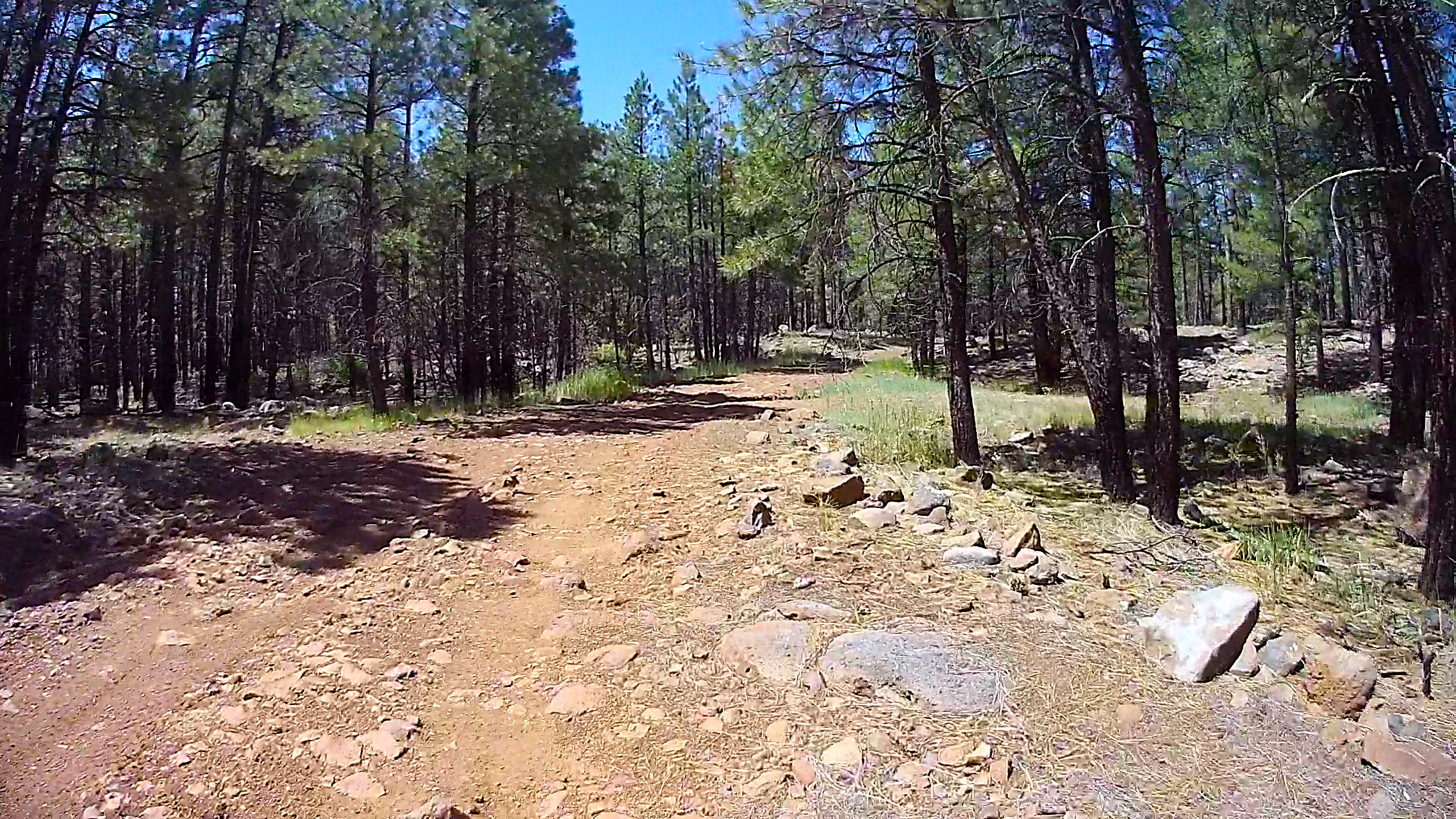
It is time to say the quiet part out loud: the modern gravel bike has drifted so far from its roots that, for Arizona riding, it is basically a compromised mountain bike. And if you are serious about enjoying the terrain instead of surviving it, a lightweight full-suspension MTB is often the better tool.
The gravel category was born from simplicity. Drop bars, rigid frames, and the idea that you could link together long stretches of dirt roads, ranch tracks, and forgotten connectors. It was about efficiency, exploration, and just enough capability to handle rough surfaces without overbiking. But somewhere along the way, “gravel” stopped meaning smooth dirt and started meaning whatever someone could get away with calling a road.
In Arizona, that shift is impossible to ignore.
What passes for gravel here is often chunky jeep track, embedded rock gardens, sand washes, loose baby heads, and erosion ruts that would not feel out of place on a cross-country MTB course. Riders show up on bikes with 45–50 mm tires, flared drop bars, and marketing promises of “all-road capability,” then spend hours underbiked, under-tired, and over-fatigued.
At that point, it is worth asking a simple question: what are we actually gaining? A modern gravel bike built for aggressive terrain is already pushing into mountain bike territory:
- Tire clearance exceeding 2 inches
- Geometry getting longer and slacker
- Suspension stems, flex stays, or even micro-suspension systems
- Dropper posts becoming common
- Gearing creeping lower to survive steep, loose climbs
That is not a gravel bike anymore. It is a mountain bike with compromised control.
Meanwhile, cross-country mountain bikes have evolved in the opposite direction. Today’s lightweight full-suspension XC bikes routinely come in at weights that would have shocked riders a decade ago. They pedal efficiently, climb exceptionally well, and—most importantly—descend with confidence. On Arizona terrain, that confidence is everything.
A short-travel full-suspension bike (think 100–120 mm) gives you:
- Traction on loose, punchy climbs that gravel bikes spin out on
- Control through rocky descents instead of braking your way down
- Reduced fatigue over long distances because the bike absorbs the chatter
- The ability to ride more lines, not just the smoothest ones
- Actual enjoyment when the route turns technical instead of dread
And here is the part that gravel culture often avoids: speed is not just about weight or rolling resistance. It is about momentum, line choice, and how much you have to slow down. On rough Arizona courses, the rider on a modern XC full suspension bike often carries more speed overall simply because they are not constantly backing off to survive the terrain.
Gravel bikes still make perfect sense in the right environment. Smooth dirt roads, Midwest rollers, long farm connectors, or fast European-style gravel routes are exactly what they were designed for. But Arizona is not that. Arizona rewards capability. It rewards traction, compliance, and control. It punishes underbiking with fatigue, crashes, and frustration.
So if your “gravel ride” includes hike-a-bike through rock gardens, braking down loose descents, and white-knuckling your way through sand and chunk, it might be time to stop pretending. You are not riding gravel anymore. You are riding mountain bike terrain on a bike that is trying very hard not to be one.
And once you throw a leg over a lightweight full-suspension MTB on the same route, the difference is immediate. The ride opens up. You stop fighting the terrain and start flowing with it. You finish less beaten up and, more importantly, actually wanting to go back out again.
Gravel did not fail. It just outgrew its definition.
In Arizona, the dirt decided what kind of bike wins. And more often than not, it is the one with suspension.


Recent Comments